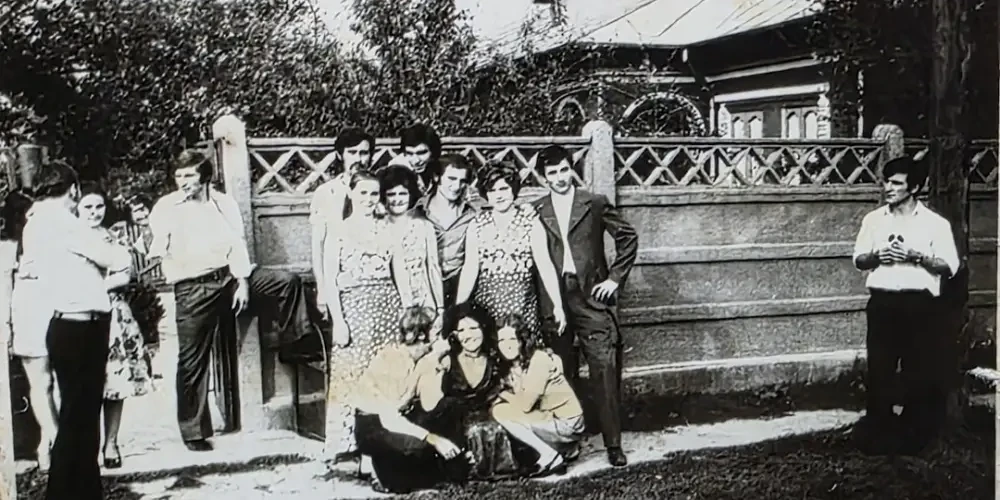

The Importance of Post-Mortem Reputation Management
When we think about legacy, we often envision photo albums, heirlooms, or granite headstones. However, in the 21st century, a person’s name lives on most vibrantly in the digital space. Long after a loved one has passed, their ‘digital shadow’—the collection of social media profiles, search engine results, and mentions across the web—continues to exist. Protecting that name isn’t just about vanity; it is a practical act of stewardship that ensures their story is told accurately and respectfully.
Many families find that using online remembrance platforms is the most effective way to consolidate a digital legacy into a single, respectful location.
Online reputation management (ORM) is typically discussed in a professional context, but it is equally vital for memorialization. When someone searches for your loved one’s name five, ten, or twenty years from now, what will they find? By taking proactive steps today, you can ensure that their name remains associated with their values, achievements, and the love they shared, rather than being left to the whims of automated algorithms.
The Living Nature of Digital Data
Unlike a physical memorial, digital data is dynamic. It can be commented on, shared, or even manipulated. If a social media account is left unmanaged, it can become a target for spam or unauthorized tags that don’t align with the person’s character. Furthermore, search engine results change over time. Without an active effort to preserve a positive digital presence, the narrative of a person’s life can become fragmented or, worse, defined by a single piece of outdated information.
Protecting a name after death is about maintaining the ‘integrity of identity.’ It ensures that the digital footprint remains a true reflection of the person. This is why digital legacy preservation has become a necessary part of the grieving and honoring process in the modern age.
Practical Steps to Safeguard a Loved One’s Name
Preserving a legacy requires a mix of technical steps and intentional storytelling. It is not a task that needs to be completed in a single day, but rather a gentle process of organizing and securing their digital life. Here are the most effective ways to protect their name:
1. Memorialize Social Media Accounts
Platforms like Facebook and Instagram allow you to ‘memorialize’ a profile. This turns the page into a place for friends and family to share memories while locking the account from new logins, which prevents hacking. It also adds the word ‘Remembering’ next to the person’s name, signaling to the world that this is a protected space of honor.
2. Secure the ‘Digital Assets’
Ensure you have a plan for their personal website, blog, or professional domain names. If these expire, they can be purchased by third parties who may use the URL for unrelated or inappropriate content. Renewing a domain name for several years is a low-cost way to keep control over their digital ‘real estate.’
3. Monitor Search Results
Periodically search for your loved one’s name to see what appears on the first page of search results. If you find inaccurate information or disrespectful content, you can often reach out to site administrators or use search engine ‘right to be forgotten’ requests (depending on your jurisdiction) to have harmful content addressed.
4. Create a Centralized Digital Memorial
One of the best ways to protect a name is to ‘own’ the narrative. By creating a dedicated digital memorial—such as those we design at Say Their Name Memorial—you create a high-authority site that search engines prioritize. This ensures that when someone searches for the name, the first thing they see is a beautiful, curated tribute that you control.
Preventing Post-Mortem Identity Theft
A more clinical but highly practical reason to protect a name is the prevention of ‘ghosting’—a form of identity theft where criminals use the details of the deceased to open accounts or claim benefits. This can cause immense distress for the family and tarnish the person’s financial legacy.
- Notify Credit Bureaus: Ensure the major credit reporting agencies are notified of the passing to prevent new lines of credit from being opened.
- Close Unused Accounts: Systematically close email accounts and retail memberships that are no longer needed, as these are often entry points for hackers.
- Limit Public PII: When writing obituaries or online tributes, be mindful of sharing too much ‘Personally Identifiable Information’ (PII) like birth dates, mother’s maiden names, or specific home addresses.
The Name as a Lasting Heritage
Ultimately, protecting someone’s name is an act of love. It is about ensuring that their identity isn’t lost in the noise of the internet or diluted by time. When we take the time to manage a digital reputation, we are building a bridge between the past and the future, allowing future generations to know the person as they truly were.
By being intentional with digital memorials and reputation management, you aren’t just managing data; you are guarding a person’s dignity. At Say Their Name Memorial, we believe that every name deserves to be spoken with respect and every legacy deserves to be preserved with care. Protecting their name today ensures their light continues to shine clearly for years to come.