
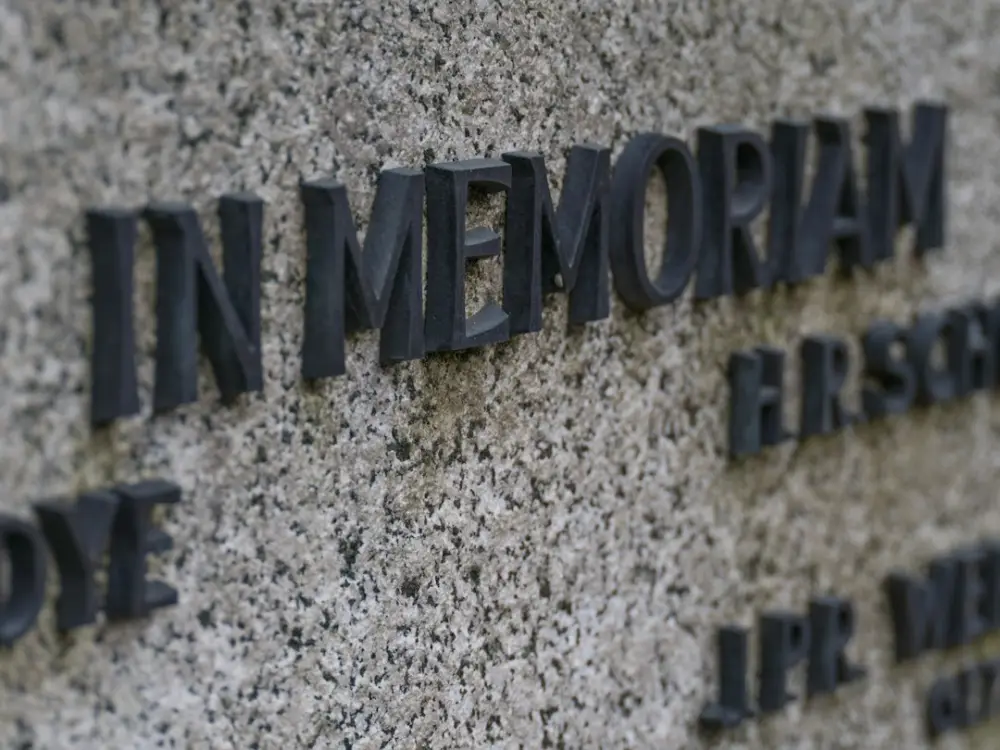
Correcting inaccurate memorial information responsibly involves identifying factual errors in a tribute—such as dates, names, or historical context—and seeking updates through proper channels. This process requires sensitivity, verified evidence, and a focus on honoring the deceased’s legacy accurately while maintaining the dignity of the memorial for families and the community.
When an error appears in a digital record, the instinct is often to react with urgency. However, taking a measured approach ensures that corrections are accepted by administrators and that the updated information remains permanent. In 2026, where digital records are often interconnected, a single correction can influence multiple platforms simultaneously.
Why Accuracy Matters in Memorials
A digital memorial serves as a primary source of information for future generations. When a birth date is off by a year or a middle name is misspelled, it creates a break in the genealogical chain. These errors can prevent researchers from linking family branches or lead to the creation of duplicate, conflicting profiles on platforms like Find A Grave or Ancestry.com.
Beyond the technical aspects of record-keeping, factual integrity is a matter of respect. Maintaining a clean record is part of why protecting someone’s name still matters long after they have passed, as these digital markers often become the primary source of truth for the public. For example, an incorrect military rank on a veteran’s digital tribute doesn't just misrepresent their service; it alters the historical narrative of their life's work.
Verifying Facts Before Requesting Changes
Before reaching out to a site administrator or a platform moderator, you must have primary documentation in hand. Digital errors often stem from hearsay or transcribed typos, so correcting them with more hearsay rarely works. Administrators require objective proof to change an existing record, especially if the memorial was created by a third party.
Reliable sources include death certificates, official military discharge papers (such as Form DD214), or records from the National Archives. If you are correcting a name spelling, a birth certificate or a marriage license is usually required. For instance, if a local news outlet misspells a name in an online obituary, providing a scan of a government-issued ID is the most direct way to facilitate a quick correction without back-and-forth debate.
Steps to Request a Memorial Correction
The process of requesting a change depends on who controls the digital space. Follow these steps to ensure your request is handled professionally:
- Identify the gatekeeper: Look for an "Edit" button, a "Report an Error" link, or a contact email for the site administrator. On social media platforms, this may involve contacting the person who manages the legacy account.
- Prepare a concise statement: State clearly what the error is and what the correct information should be. Avoid emotional language; stick to the facts.
- Attach your evidence: Provide a clear photo or PDF of the supporting document. If the source is another reputable website (like a government database), provide the direct link.
- State your relationship: Briefly explain your connection to the deceased. Immediate family members typically have higher priority in these requests.
- Follow up politely: Give the administrator at least two weeks to respond. Many memorial sites are run by volunteers who handle hundreds of requests.
For example, if you find an error on a community-run memorial page, a simple message like, "Hello, I am the daughter of [Name]. The birth year listed is 1945, but it was actually 1947. I have attached the record for your reference," is much more effective than a public comment demanding a fix.
Mistakes to Avoid When Fixing Records
One of the most common mistakes is engaging in "edit wars." This happens when two parties disagree on a fact—such as a cause of death or a family relationship—and repeatedly change the information back and forth. This often leads to the memorial being locked or deleted by the platform to prevent further conflict. Families can use tools similar to brand monitoring and how it protects online reputations to stay informed about new mentions or errors appearing on third-party sites without escalating tensions.
Another error is ignoring the platform's specific guidelines. Sites like Wikipedia have strict rules regarding the biographies of deceased persons, requiring secondary source citations rather than personal testimony. Attempting to bypass these rules by citing "family knowledge" usually results in the correction being rejected, regardless of its accuracy.
Private vs. Public Memorial Updates
The approach to correcting information differs significantly between private family trees and public-facing tributes. On a private site, such as a family-run WordPress blog or a password-protected MyHeritage tree, the tone can be more informal. You are dealing with relatives, and the goal is often collective memory preservation.
Public memorials, such as those on news sites or large-scale digital cemeteries, require a more formal, bureaucratic approach. In these spaces, you may not have the legal right to demand a change unless the information is defamatory. In 2026, many public platforms have automated some of these processes, but a human review is still the gold standard for ensuring the context of the correction is understood. If a public site refuses to change a factual error, you may need to provide a "rebuttal" or a link to a verified correct version rather than forcing a deletion.
Integrity in Social Justice Tributes
Tributes dedicated to individuals who were part of significant social movements or who passed away under public scrutiny require an extra layer of care. In these cases, correcting information isn't just about dates; it’s about the narrative. Ensuring that the person’s life is not defined solely by the circumstances of their death is a vital part of responsible memorialization.
When correcting these tributes, focus on the personhood of the individual. If a community-led digital mural contains inaccuracies regarding a person's hometown or their professional achievements, providing that context helps round out the legacy. Accuracy in these spaces prevents the person's story from being co-opted or simplified by outside parties. At Say Their Name Memorial, we believe that every detail contributes to the weight of a person’s legacy. Correcting a name or a date is a foundational act of digital stewardship, ensuring that the remembrance remains as dignified and truthful as the life it represents.